

Views: 0 Author: Site Editor Publish Time: 2026-03-13 Origin: Site

Kids spend more time indoors today. Outdoor playgrounds feel far away. Could Monkey Bars for Backyard change that?
This guide explores Monkey Bars for Backyard for families and schools. In this article, you will learn how to choose safe designs, strong materials, and playground setups that support active outdoor play.
Monkey Bars for Backyard are overhead climbing structures designed for home yards, schools, and small outdoor playgrounds. Children move from bar to bar while hanging by their hands. The activity feels like play, yet it strengthens muscles and improves coordination. Because of their simple design and high play value, monkey bars are often one of the first pieces of equipment added to a backyard playground.
Many parents and schools choose Monkey Bars for Backyard play areas for several reasons:
● They encourage outdoor activity
Children naturally enjoy swinging and climbing. Monkey bars provide a fun challenge that keeps them moving. It helps reduce screen time and promotes healthy outdoor play.
● They work for different age groups
Younger kids can practice hanging or short swings. Older children can cross the full ladder quickly. Because of this flexibility, monkey bars work well for families with children of different ages.
● They fit well into backyard playground systems
Monkey bars can easily connect with swings, slides, and climbing nets. This allows parents or schools to build a small but engaging playground without using too much space.
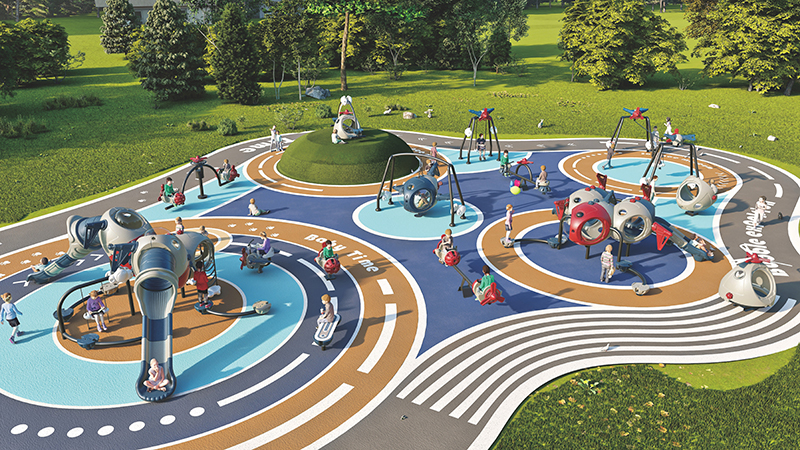
Monkey bars support several important areas of childhood development. When children swing across the bars, their arms pull the body forward while their hands hold tightly. At the same time, the core muscles stabilize the body to maintain balance. These movements help children develop strength, coordination, and control.
Key physical benefits include:
● Upper-body strength
Each swing requires pulling and supporting body weight. This helps develop stronger shoulders, arms, and back muscles.
● Grip strength
Hands and forearms constantly hold the bars. Strong grip muscles support many daily activities such as writing or holding objects.
● Coordination and timing
Children must judge the distance to the next bar and time their reach correctly. This improves hand-eye coordination and movement control.
● Balance and body awareness
While swinging forward, the body shifts naturally. Kids learn to adjust their posture and movement to stay balanced.
Physical Skill | How Monkey Bars Help |
Upper-body strength | Children pull their body weight across the ladder |
Grip strength | Hands and forearms hold the bars repeatedly |
Coordination | Kids plan each reach and control movement |
Core stability | Abdominal muscles keep the body balanced |
Before installing Monkey Bars for Backyard play areas, start by checking how much space you actually have. Children swing, jump down, and move around the structure. Because of this, the equipment needs more than just the width of the bars. It needs an open safety zone around it so kids can play freely.
Parents and schools should first measure the yard and mark the possible installation area. Try to place the monkey bars away from fences, trees, or hard surfaces. A clear area helps prevent accidents and makes the playground easier to supervise. Soft ground surfaces such as rubber mats or mulch also help absorb impact if children fall.
Important space planning ideas include:
● Measure the backyard first
Use a tape measure to check the length and width of the available play area. This helps ensure the structure fits comfortably. It also prevents the playground from feeling crowded.
● Leave enough safety clearance
Kids swing and sometimes jump off the bars. Because of this movement, leave several feet of open space around the structure. This area helps prevent collisions with other objects.
● Plan a simple playground layout
Monkey bars often work best when placed near swings or climbing frames. Keep enough distance between each structure so children can move safely between activities.
The durability of Monkey Bars for Backyard equipment depends heavily on the materials used. Outdoor playground equipment faces constant sun, rain, and frequent use. Choosing strong materials helps the structure last longer and reduces maintenance.
Two materials are commonly used in backyard monkey bars:
● Metal structures
Steel monkey bars are strong and stable. Powder-coated steel is especially popular because it resists rust and weather damage. Schools often choose metal frames because they handle heavy daily use.
● Wooden support frames
Wooden structures give playgrounds a natural look. They blend well with gardens and landscaping. However, wood may require occasional sealing or treatment to protect it from moisture.
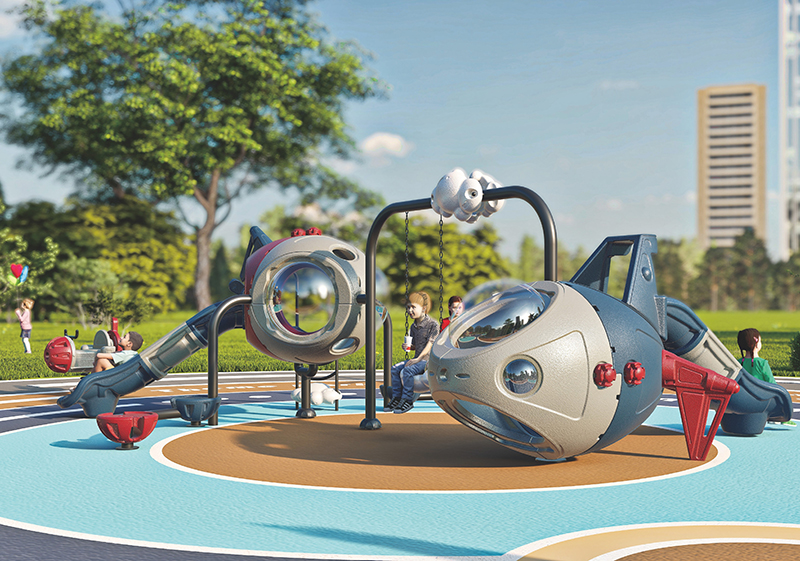
Safety is always a top priority when selecting Monkey Bars for Backyard playground equipment. While the structure looks simple, several design details help reduce the risk of injury and make play more comfortable for children.
Parents and schools should pay attention to these safety features:
● Proper rung spacing
Bars should be close enough for children to reach comfortably. If the distance is too wide, younger kids may struggle to swing across safely.
● Smooth edges and rounded corners
Good monkey bars have smooth surfaces and protected bolt caps. These details help prevent scratches or clothing from catching during play.
● Stable anchoring systems
The frame should be securely fixed into the ground. Ground anchors or concrete bases keep the structure stable while children climb and swing.
Safety Feature | Why It Matters |
Proper rung spacing | Helps children reach the next bar safely |
Rounded edges | Prevents cuts and clothing snags |
Non-slip surfaces | Improves grip during climbing |
Ground anchoring | Keeps the structure stable |
Classic ladder-style structures remain the most familiar type of Monkey Bars for Backyard playgrounds. They use a straight horizontal ladder placed overhead. Children swing from bar to bar while supporting their body weight. This simple movement trains arms, shoulders, and grip strength during play. Many families prefer this design because it is easy to install and easy for beginners to learn.
For younger children, a traditional monkey bar ladder offers a predictable structure. Each rung sits at the same distance. Kids quickly understand how to move across it. Schools also like this style because teachers can supervise children easily during playground time.
Typical characteristics include:
● Straight horizontal ladder structure
The bars run in a straight line. Children move forward one step at a time. The design reduces confusion and helps beginners focus on grip and timing.
● Beginner-friendly layout
The consistent rung spacing allows children to build confidence. They first practice hanging. Then they attempt crossing the ladder gradually.
● Compact backyard installation
Many backyard playgrounds do not have large open areas. A simple horizontal ladder fits well in smaller yards while still offering a fun challenge.
While traditional structures remain common, many new Monkey Bars for Backyard playgrounds use more creative designs. These variations make climbing more interesting and increase the level of challenge. Children often stay engaged longer when the structure offers different movement patterns.
Modern designs may include curved ladders, zig-zag routes, or hanging obstacles. Instead of moving straight across, kids must change direction or adjust their grip style. These small changes improve coordination and problem-solving during play.
Popular creative designs include:
● Curved or zig-zag monkey bars
The ladder changes direction as children move across it. Kids must adjust their swing and body position. This increases both difficulty and excitement.
● Rotating rings and hanging grips
Some playgrounds replace fixed bars with rings or handles. These grips move slightly while children swing. The movement forces them to maintain stronger control.
● Ninja-style obstacle courses
Inspired by obstacle training courses, these setups combine monkey bars, ropes, and swinging holds. They encourage endurance and coordination during play.
These designs are especially popular in modern playground planning. They turn simple climbing equipment into a mini adventure course. Children see it as a game rather than exercise, yet it still builds strength and coordination.
Another growing trend in Monkey Bars for Backyard playgrounds is modular design. Instead of installing a single structure, families often combine monkey bars with other playground equipment. This approach creates a more complete play environment while using the same installation space.
Modular playground systems allow parents to expand the equipment gradually. For example, a simple monkey bar ladder may later connect to swings, climbing nets, or slides. This flexibility makes the playground more interesting as children grow.
Common expansion elements include:
● Swings and overhead ladders
Swings often attach to the same support frame as monkey bars. This allows children to switch between climbing and swinging activities.
● Climbing nets or rope bridges
Rope elements add another type of movement challenge. Kids climb, balance, and swing while developing coordination.
● Slides and small towers
Some playground systems combine monkey bars with small platforms and slides. Children climb up, cross the bars, then slide down.
Backyard playgrounds for schools or communities usually require stronger structures than residential ones. These environments involve many children using the equipment throughout the day. Because of this, the design must support heavier loads and constant movement.
Commercial playground monkey bars typically use reinforced frames and thicker metal bars. They are designed to remain stable during frequent use. Safety inspections and certified materials also play an important role in these environments.
Playground Type | Key Characteristics |
Residential backyard monkey bars | Compact size, designed for family use |
School playground monkey bars | Stronger frames for frequent daily play |
Community playground monkey bars | Multi-user structures for larger groups |
Fitness-style monkey bars | Designed for both children and adults |
Installing Monkey Bars for Backyard playgrounds correctly is the first step toward safe outdoor play. Many families consider installing the equipment themselves, especially when the structure comes in modular kits. DIY installation can work well for small backyard systems. It usually involves assembling metal frames, tightening bolts, and anchoring the structure into the ground.
However, schools or larger playground projects often prefer professional installation. Professional teams ensure the frame alignment is correct and the anchors remain stable over time. Proper installation also prevents movement or tilting during active play.
When preparing for installation, consider these important points:
● DIY installation for small playground setups
Many backyard monkey bar kits include clear instructions and hardware. Families can assemble them using basic tools. This approach works well for compact playground structures.
● Professional installation for larger systems
Schools and community playgrounds often require stronger foundations. Professional installers secure the equipment with deeper anchors or concrete bases.
● Choosing the right location
Place monkey bars on flat ground away from fences, walls, or hard surfaces. Good placement improves safety and allows children to swing freely without hitting nearby objects.
Even with strong equipment, children may sometimes lose their grip while crossing monkey bars. Because of this, playground surfacing becomes an important safety element. Soft landing surfaces help reduce impact and protect children from injury.
Parents and schools commonly use special playground flooring materials to improve safety. These surfaces absorb energy when a child falls and reduce the chance of serious injury.
Common surfacing materials include:
● Rubber mulch
Rubber pieces spread across the ground create a flexible surface. They absorb impact and remain stable even during heavy playground use.
● Playground safety mats
Interlocking rubber mats provide strong cushioning and are easy to install. They also remain clean and require little maintenance.
● Engineered wood fiber or mulch
Natural wood fiber surfaces are often used in larger playground areas. They provide shock absorption while maintaining a natural appearance.
Playground Surfacing Type | Key Benefit |
Rubber mulch | Strong impact absorption and weather resistance |
Rubber safety mats | Easy installation and stable surface |
Wood fiber mulch | Natural look and effective fall cushioning |
In addition to soft surfaces, safety zones should surround the monkey bars. These zones provide extra space where children can land safely if they fall or jump down.
Regular maintenance keeps Monkey Bars for Backyard equipment safe for long-term use. Outdoor playground structures face constant exposure to sun, rain, and frequent activity. Over time, bolts may loosen or metal surfaces may begin to wear.
Routine inspections help identify small issues before they become safety risks. Families and schools should check the equipment periodically and perform simple maintenance tasks.
Important maintenance practices include:
● Checking bolts and connections
Screws and joints should remain tight at all times. Loose parts may cause the structure to shift or vibrate during play.
● Inspecting surfaces for rust or damage
Metal frames should remain smooth and coated. If rust appears, it should be cleaned and repainted to protect the material.
● Cleaning the structure regularly
Dirt, leaves, and moisture may collect on outdoor equipment. Cleaning the bars helps maintain grip and prevents long-term wear.
Monkey Bars for Backyard encourage active play and strong coordination. Safe design, durable materials, and proper installation matter. Monleplay offers reliable playground equipment and flexible designs. Their Monkey Bars for Backyard systems support families and schools seeking safe, engaging outdoor play.
A: Monkey Bars for Backyard help kids build strength, coordination, and active outdoor play habits.
A: Install Monkey Bars for Backyard on level ground. Secure anchors and provide safe surfacing.
A: Yes. Proper spacing, supervision, and soft flooring make Monkey Bars for Backyard safer.
A: Monkey Bars for Backyard range from basic home sets to larger school playground systems.
A: Monkey Bars for Backyard encourage exercise, improve grip strength, and support outdoor play.


