

Views: 0 Author: Site Editor Publish Time: 2025-11-07 Origin: Site

Are you tired of searching for the perfect indoor playground for your kids? With so many options available, it can be overwhelming to find one that balances fun, safety, and convenience. Choosing the right playground is crucial for ensuring your child has a safe and enjoyable experience.
In this article, we'll discuss what makes an indoor playground ideal for kids and why selecting the right one matters. We'll guide you through the key factors to consider, so you can make an informed decision for your family.
Finding an indoor playground for your kids can be a bit tricky, especially if you’re unsure where to start looking. Luckily, there are several effective ways to locate the perfect spot near you. Whether you prefer using technology or relying on recommendations from other parents, these methods will help you quickly find a great place for your child to play.
Technology has made it easier than ever to search for local indoor playgrounds. By using map apps and local platforms, you can get real-time information on playgrounds near you, including addresses, operating hours, and user ratings.
● Map Apps: One of the most convenient ways to find indoor playgrounds is through popular map applications like Google Maps or Apple Maps. Simply type in “indoor playground” or “kids playground” along with your location. You’ll receive a list of nearby options, complete with ratings, photos, and links to websites. These maps can also provide directions, estimated travel time, and whether a playground is open or closed.
● Local Platforms: Many cities and towns have local online platforms or directories where businesses and recreational spots are listed. Websites such as Yelp or local event pages often feature indoor playgrounds, complete with user reviews and detailed information. Some apps even let you filter playgrounds by specific features such as amenities or safety measures.
● Real-time Information: One of the biggest benefits of using these digital tools is access to up-to-date information. Many places update their schedules and any closures in real-time, so you won’t be caught off guard if a playground is unexpectedly closed for maintenance or a holiday.
These platforms allow you to see what others think of the playgrounds, which can be incredibly helpful when choosing a place that fits your needs and preferences.
While technology is a powerful tool, there’s nothing quite like getting advice from people who have already visited a playground. Parents and local communities can offer trustworthy recommendations based on their own experiences, helping you find hidden gems that might not appear in search results.
● Online Parenting Groups: Many communities have Facebook groups, online forums, or dedicated parenting websites where local parents share tips and advice. These platforms are a goldmine for recommendations on the best indoor playgrounds in your area. Parents often post reviews, photos, and even insider tips that can help you narrow down your search. You can even ask specific questions like, “Which playground is the safest?” or “Where can I find one with an area for toddlers?”
● Word of Mouth: Sometimes, asking around at schools, playgroups, or daycare centers can lead to great suggestions. Parents who have visited various indoor playgrounds are often eager to share their experiences. You can ask for feedback on things like the cleanliness, safety, variety of play areas, and the overall experience at the venue.
● Local Community Websites: In addition to online parenting groups, local community centers or neighborhood websites may feature recommendations for family-friendly spots. These websites can often point you toward playgrounds that cater to specific needs, such as sensory-friendly spaces or those that offer birthday party packages.
Tip: By tapping into these community-driven resources, you can find playgrounds that might not show up on your typical search engine results, ensuring that you have a variety of options to choose from.
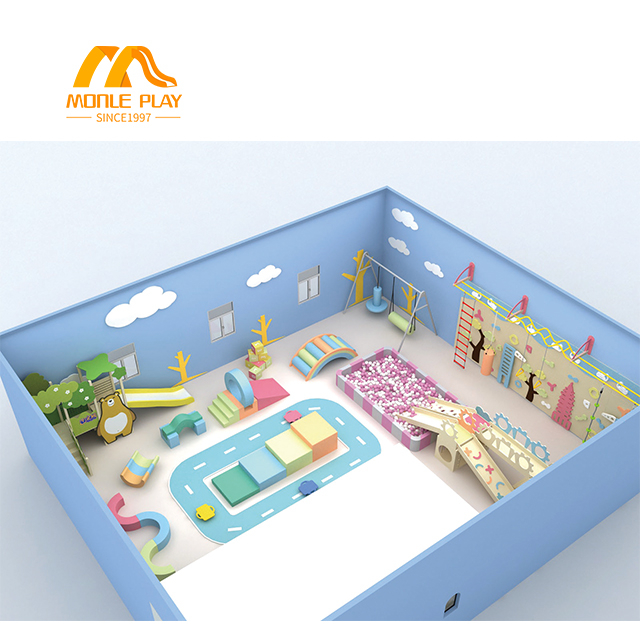
Choosing the right indoor playground for your kids requires careful thought. From how far it is to whether the activities are suitable for your child's age, each factor can impact your experience. Below, we’ll discuss the most important things to consider when picking the best playground for your family.
When selecting a playground, one of the first factors to consider is its location. How far are you willing to travel, and how accessible is it for you and your kids? The proximity of the playground can make a huge difference in terms of convenience and overall satisfaction.
● Why Proximity Matters: A playground that’s too far away can quickly become a hassle, especially when kids are involved. After all, long car rides or public transport can make the outing feel more like a chore than a fun activity. Ideally, choose a playground that’s within a 15-30 minute drive from home or your usual locations like work or school. This distance ensures that it’s easy to pop in for a quick play session without feeling rushed or overwhelmed.
● Accessibility and Convenience: Besides proximity, think about how easy it is to get there. Is parking available? Are there any public transport options nearby? These factors will determine how stress-free your visit will be. Additionally, check if the venue is in a family-friendly area with nearby amenities like cafes or restrooms.
● Travel Time and Kids' Patience: Young children often grow restless during long car rides. If the playground is too far, it might discourage regular visits. Instead, look for locations that are easy to reach and make the trip feel more manageable for everyone.
Every child is different, and so are their play needs. It’s important to choose an indoor playground that offers activities suited to your child’s specific age group.
● Dedicated Play Areas for Different Ages: Many indoor playgrounds have designated areas for toddlers, preschoolers, and older children. This separation ensures that your child will enjoy age-appropriate activities while staying safe. Look for venues that have soft, safe zones for younger children and more challenging structures like climbing walls and slides for older kids.
● Safety First: For toddlers and young children, make sure the playground has enough safety precautions, such as soft flooring, rounded edges, and low-height play structures. These small adjustments can make all the difference when it comes to preventing accidents.
● Engaging Activities for All Ages: Consider whether the playground offers a variety of activities that will engage your child’s imagination and development. From ball pits and trampolines to interactive game panels and educational areas, a good playground will keep your child entertained while helping them develop motor skills, creativity, and socialization.
Flexible operating hours are essential when choosing a playground, especially for families with varying schedules.
● Weekend and Holiday Availability: It’s important to select a venue that fits your family’s routine. Look for indoor playgrounds that are open on weekends and holidays, which gives you more opportunities to visit. If you’re someone who works during weekdays, this flexibility allows you to enjoy family time without worrying about missing out.
● Off-Peak Hours: Some playgrounds offer extended hours or have less crowded times, which might be more appealing if you prefer to avoid the crowds. Visiting during off-peak hours can provide a more relaxed and enjoyable experience for both parents and kids. Always check the playground’s schedule to see if they offer extended or flexible hours to suit your needs.
● Booking Options: Some indoor playgrounds allow for advanced booking, which can be helpful, especially during busy seasons or holidays. This way, you’re guaranteed a spot, and you don’t have to worry about long wait times. Flexibility in terms of booking can help make your visit much smoother.
Choosing the right indoor playground for your kids goes beyond just finding a place to play. It’s about creating a safe, fun, and enriching environment where children can grow, learn, and engage. Let’s dive into the key features that make a kids' indoor playground stand out.
Safety should always be the top priority when it comes to a kids’ playground. A well-designed indoor playground takes into account the various risks that children might face while playing and implements features to keep them safe.
● Non-Toxic Materials: Kids explore the world through touch, and they’re likely to put things in their mouths. That’s why it’s important that the playground uses non-toxic, child-safe materials in its play structures. Look for materials that are free from harmful chemicals, especially in areas where children spend a lot of time, such as slides and ball pits.
● Safety Padding and Soft Flooring: Play areas should have ample padding around high-risk zones like slides, climbing walls, and swings. Soft flooring, such as rubber mats or foam, is essential to cushion falls and minimize injuries. Additionally, features like rounded edges on play equipment reduce the chances of bumps and bruises.
● Staff Supervision and Crowd Control: A great playground will have staff members on hand to supervise activities, maintain safety standards, and ensure the children are playing appropriately. Staff are also key in keeping the space clean and orderly. Moreover, effective crowd control—such as ensuring that different age groups have their own zones—can prevent accidents caused by overcrowding.
A great kids’ indoor playground isn’t just about fun; it’s also about fostering growth and development through play. Play is an essential part of childhood development, and the right play areas can promote physical, cognitive, and social skills.
● Physical Play Zones: Look for playgrounds that offer a variety of physical activities, like climbing walls, obstacle courses, trampolines, and slides. These types of activities help kids improve their motor skills, strength, coordination, and balance. For toddlers, gentle climbing structures and crawling spaces can provide a less intense introduction to physical play.
● Imaginative Play Zones: Kids love to use their imagination, and a playground that offers themed play zones will encourage creativity. Imagine a mini city, role-playing areas like pretend kitchens or hospitals, or even a fantasy castle for children to explore. These areas promote social interaction, storytelling, and role-playing, which are great for cognitive and emotional development.
● Educational Play Zones: Many indoor playgrounds also integrate educational elements into their play structures. Interactive game panels, building blocks, and puzzles can help kids develop problem-solving skills, learn cause-and-effect relationships, and engage in critical thinking. These activities provide a fun way for children to learn while playing.
Indoor playgrounds aren’t just for kids—they’re for families, too. A great playground considers the comfort and convenience of parents and caregivers. After all, when you’re spending time with your kids, you want the experience to be as enjoyable for you as it is for them.
● Parent Lounges and Seating Areas: A designated parent lounge or seating area allows adults to relax and keep an eye on their children. It’s important for parents to feel comfortable while supervising, so look for lounges with ample seating, charging ports, and clear visibility of the play zones.
● Clean Restrooms and Baby Facilities: Restrooms are essential in any family-friendly environment. A great indoor playground will have clean, well-maintained restrooms that are equipped with child-sized toilets. Baby-changing rooms and feeding areas also make the experience easier for parents with infants and toddlers.
● Stroller Storage: Managing strollers in a busy playground can be tricky. A good playground will provide ample stroller storage, so parents don’t have to worry about where to leave their strollers while they play. This adds convenience and ensures that the play area stays clutter-free.
● On-Site Cafes and Refreshments: Some indoor playgrounds offer on-site cafes or snack bars where families can take a break and grab a bite to eat. Look for playgrounds that offer healthy, kid-friendly food options and comfortable seating areas for a family meal during your visit.
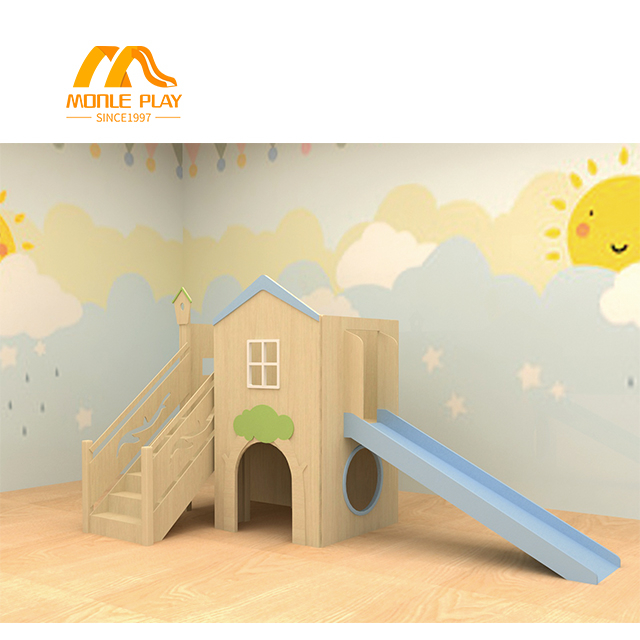
Visiting an indoor playground can be a fun experience, but it's essential to make sure the place is safe, clean, and suitable for your child’s needs. Here are some top tips to help you prepare before making that trip.
Before you let your child loose in an indoor playground, it's important to take a few moments to inspect the area. A quick check can ensure that the playground is safe, clean, and suitable for your child.
● Cleanliness: Check if the play equipment and common areas are clean. Are there any sticky spots or visible dirt? Playgrounds should be sanitized regularly, especially in areas with high-touch surfaces like handrails, slides, and ball pits. Look for trash bins placed conveniently around the space to encourage a clean environment.
● Safety Features: Inspect the play equipment for any broken parts or sharp edges. Look for safety padding around high-risk areas such as slides and climbing structures. Soft flooring like rubber mats or foam tiles should cover the play areas to prevent injuries in case of falls.
● Space and Organization: A well-organized playground will separate areas for different age groups, such as a toddler zone and an older kids' zone. This separation ensures safety by preventing younger children from getting overwhelmed by more energetic play from older kids.
● Ventilation and Lighting: A well-lit space with good ventilation is crucial for comfort and safety. Check whether the indoor playground feels stuffy or has poor air circulation. Good lighting not only adds to the atmosphere but also helps staff supervise activities effectively.
● Restrooms and Amenities: Take note of the restroom facilities—are they clean and equipped with essentials like soap and paper towels? A family-friendly playground will offer child-sized toilets, baby-changing stations, and enough space to accommodate parents and children.
When visiting a new indoor playground, it’s always a good idea to ask the right questions to make sure it aligns with your expectations for safety, fun, and overall experience. Here are some key questions to ask staff or management:
● What are your safety protocols?
● Ask about the staff-to-child ratio, any training staff members undergo, and the measures in place to ensure safe play. This could include emergency evacuation procedures, first aid training, and supervision rules.How often is the equipment cleaned and sanitized?
● Find out how often they clean the play equipment and public areas. A reliable playground will have clear and consistent cleaning schedules, especially in high-touch areas.Do you have age-appropriate play zones?
● Make sure the playground offers areas tailored to different age groups. Ask if there are separate zones for toddlers and older children, and if the equipment is designed to suit each age range.Are there any special accommodations for children with disabilities?
● Many playgrounds now offer inclusive features such as wheelchair-accessible play structures or sensory-friendly areas. Ask if they have these options to ensure your child’s needs are met.Can I book in advance or is it walk-in only?
● Ask if you can make a reservation, especially if you plan to visit during busy times. Some indoor playgrounds allow parents to book ahead to avoid long wait times or overcrowding.What are your hours of operation, and do you have any holiday schedules?
Knowing the hours of operation can help plan your visit better. Ask if they offer extended hours during weekends or holidays, and whether they have any special events or closures.
Question | Why Ask? |
What are your safety protocols? | Ensures the playground has measures to keep kids safe. |
How often is the equipment cleaned? | Verifies hygiene standards and cleanliness. |
Do you have age-appropriate play zones? | Ensures there are suitable areas for different age groups. |
Are there accommodations for kids with disabilities? | Makes sure the playground is accessible for all children. |
Can I book in advance or is it walk-in only? | Helps plan ahead to avoid waiting in long lines. |
What are your hours of operation? | Ensures the playground fits into your family’s schedule. |
Finding the best indoor playground for kids involves considering factors like location, safety, age-appropriate zones, and amenities. Parents should prioritize cleanliness, proper supervision, and engaging play areas. After reviewing these considerations, it’s time for parents to apply the advice and begin searching for the ideal playground. For a reliable and high-quality indoor playground experience, products from MonleToys offer exceptional value, ensuring fun and safety for children at every playtime.
A: An indoor playground for kids is a safe, enclosed area filled with fun activities like slides, climbing structures, and games. It provides a controlled environment for children to play and socialize, especially in bad weather.
A: You can use map apps or local platforms to search for indoor playgrounds near you. Enter terms like "indoor playground near me" to find real-time results, including ratings and addresses.
A: A good playground should have non-toxic materials, padded surfaces, and staff supervision. Look for soft flooring, safety barriers, and regular maintenance to ensure your child’s safety while playing.
A: Many indoor playgrounds offer age-appropriate zones for toddlers, preschoolers, and older kids. These spaces help ensure that children of all ages can play safely and enjoyably.
A: The cost of indoor playgrounds varies depending on location, facilities, and amenities. Some may offer free entry, while others charge an entrance fee or offer memberships for frequent visitors.


