


Views: 0 Author: Site Editor Publish Time: 2026-03-13 Origin: Site


Kids love climbing, swinging, and exploring outside. But which play space works better for them? Gymnastics Outdoor Equipment or traditional playgrounds?
In this article, we compare both options. You will learn how each supports children’s growth, activity, and outdoor fun.
Modern playgrounds often combine traditional play elements with Gymnastics Outdoor Equipment to create more dynamic activity zones. These structures focus on physical challenge and flexible movement rather than passive play. Children move in different directions across the equipment while testing their balance and strength.
Several features usually define gymnastics-style playground structures:
● Multi-directional climbing
Children can climb up, down, or across the structure. This variety keeps play interesting and improves coordination.
● Open play design
There is no single path. Kids choose how they move through the equipment, which encourages creativity and exploration.
● Progressive difficulty
Some elements are easy for beginners, while others challenge older children. This allows different age groups to enjoy the same playground.
Many playground manufacturers design integrated structures that combine climbing frames, slides, and fitness elements in one system. Companies such as Monleplay, a playground equipment manufacturer established in 1997, provide outdoor playground solutions that combine design, production, and installation services for schools and community parks.
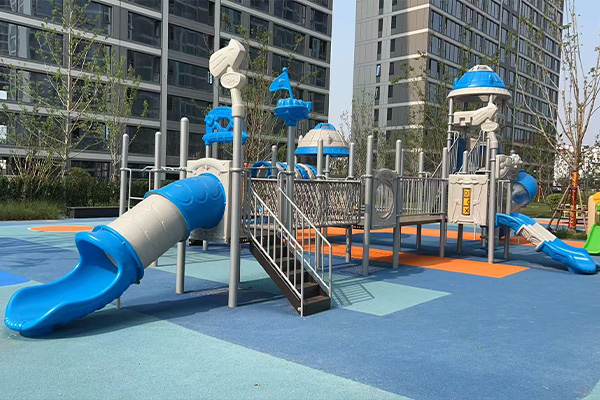
A well-designed playground usually includes several types of Gymnastics Outdoor Equipment to support different movement skills. Each structure encourages a different type of activity, helping children develop balance, strength, and agility during play.
Common equipment examples include:
● Climbing nets
Rope nets allow children to climb in multiple directions. Kids must coordinate their hands and feet carefully, which improves agility and body control.
● Monkey bars
Horizontal bars let children swing from one bar to another. This activity strengthens arms and shoulders while improving grip strength.
● Balance beams
Narrow beams help children practice stability. They focus on posture and control while walking across the beam.
● Pull-up bars
These bars allow hanging, swinging, and simple gymnastics exercises. Older children often use them for strength training and physical challenges.
Gymnastics Outdoor Equipment |
Main Skill Developed |
Climbing nets |
Coordination and agility |
Monkey bars |
Upper body strength |
Balance beams |
Stability and balance |
Pull-up bars |
Endurance and muscle control |
Traditional playgrounds are familiar spaces in parks, schools, and residential communities. They usually include multiple play elements designed for entertainment, exploration, and social interaction. Children move between different structures, trying various activities in one environment. This variety helps maintain engagement and encourages longer play sessions.
Traditional playground systems usually contain several core components. Each structure offers a different type of play experience, allowing children to move between activities easily.
Common playground equipment includes:
● Slides
Slides are often the most recognizable feature of a playground. Children climb up ladders or platforms and slide down repeatedly. This simple activity builds excitement while improving balance and coordination.
●Swing sets
Swings provide rhythmic movement. Children learn timing and body control while pushing themselves forward and backward. Group swings also encourage interaction between friends.
● Climbing frames and ladders
These structures add light physical challenges. Children climb to reach slides or platforms, improving coordination and confidence.
● Seesaws and spring riders
These elements focus on movement and cooperation. Children often play together, learning balance and teamwork while enjoying the motion.
Traditional Playground Equipment |
Main Play Experience |
Slides |
Fun descending movement and excitement |
Swing sets |
Rhythmic motion and body coordination |
Climbing ladders |
Light climbing and exploration |
Seesaws |
Cooperative play and balance |
Traditional playgrounds encourage children to interact naturally. Kids gather around swings, slides, or climbing platforms. They take turns, talk, laugh, and invent games together. This shared environment helps develop social confidence and communication skills.
Creative play also grows in these spaces. Children often transform playground equipment into imaginary worlds. A slide platform becomes a spaceship. A play tower turns into a castle. These stories help strengthen imagination and storytelling ability.
Typical social and creative benefits include:
● Group interaction
Children often play together in playground areas. They share equipment, cooperate during games, and build friendships through shared activities.
● Role-playing games
Playground structures inspire imaginative scenarios. Kids pretend to be explorers, heroes, or adventurers while climbing and sliding.
● Confidence building
As children master small challenges like climbing or balancing, they feel proud of their progress.
These playful environments allow children to explore creativity while staying active outdoors.
Traditional playgrounds are usually designed for a wide age range. Younger children need simple, low-height structures. Older kids often prefer taller platforms or climbing elements. A well-designed playground balances both needs.
Key design considerations often include:
● Different activity levels
Playgrounds may include small slides for toddlers and taller towers for older children.
● Safety-focused layouts
Platforms, guardrails, and soft surfaces help reduce injury risks during play.
● Accessible play elements
Many modern playgrounds include ramps, wide pathways, and sensory panels so children of different abilities can participate.
These design choices help make playground spaces inclusive and enjoyable for many users.
While traditional playgrounds offer fun and social interaction, they also have some limitations compared with Gymnastics Outdoor Equipment. Many structures focus on simple activities such as sliding or swinging. After repeated use, children may seek more challenging experiences.
Some common limitations include:
● Limited physical challenge
Slides and swings provide excitement but may not significantly develop strength or endurance.
● Predictable play patterns
Many playground elements follow a fixed path. Children climb up, slide down, then repeat the same activity.
● Reduced long-term engagement
Older children sometimes lose interest when equipment does not offer new physical challenges.
Outdoor play areas often combine multiple activity styles. Yet Gymnastics Outdoor Equipment and traditional playground systems serve different purposes. Gymnastics structures focus on movement, strength, and coordination. Traditional playgrounds emphasize variety and social play. Understanding these differences helps schools and parks design better environments for children.
Gymnastics-style playground structures encourage active body movement. Children climb ropes, swing across bars, and balance on narrow platforms. These activities use several muscle groups at once. Kids build strength while playing naturally.
Key physical benefits include:
● Upper body strength
Children hang from bars or ropes. Arms and shoulders become stronger through repeated motion.
● Balance and coordination
Balance beams and climbing nets require careful movement. Kids learn to control posture and direction.
● Confidence through challenge
Climbing higher structures gives children a sense of achievement. They often try again to improve their skills.Because of these movement patterns, Gymnastics Outdoor Equipment is often used in school playgrounds and public fitness areas.
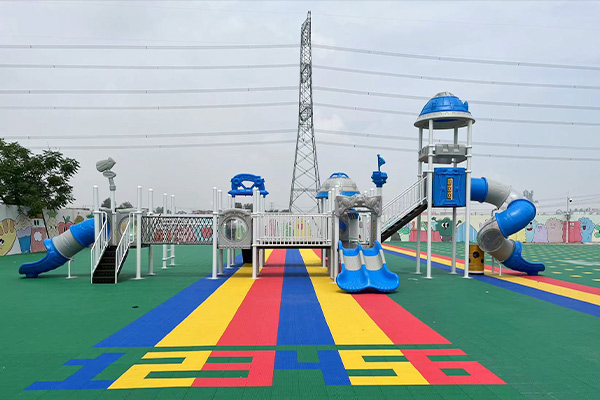
Traditional playgrounds focus on different types of play experiences. Children move between structures quickly, trying several activities in one visit.
Typical playground activities include:
● sliding from towers
● swinging back and forth
● climbing small ladders
● playing group games around platforms
These activities encourage social interaction and imaginative play. Children often invent stories while playing. A slide tower might become a castle. A platform may turn into a spaceship. This creative freedom makes traditional playgrounds attractive for younger children.
Space planning is another key difference. Gymnastics-style playground areas usually require open layouts. Children move in several directions across climbing structures. They need enough clearance for safe play.
Important planning factors include:
● available ground space for climbing frames
● safe fall zones around equipment
● number of children using the playground
Traditional playground towers often work better in smaller areas. Slides, ladders, and platforms can be combined vertically, saving ground space.
Safety remains essential for both playground styles. Designers use strong materials and protective surfaces to reduce injury risks. Equipment must also withstand outdoor weather conditions.
Safety Feature |
Purpose |
Rounded edges |
Reduce impact injuries |
Anti-slip surfaces |
Improve grip while climbing |
Stable steel frames |
Support heavy use |
Soft ground surfaces |
Absorb fall impact |
Choosing the right outdoor play equipment involves more than picking the biggest slide or tallest climbing frame. Parents, schools, and park planners often compare Gymnastics Outdoor Equipment and traditional playground structures to find the most suitable option. The best solution usually depends on children’s development needs, available space, and the type of play experience the area should provide.
Well-planned playgrounds balance physical activity, safety, and fun. Some locations focus on strength-building equipment such as climbing frames and monkey bars. Others emphasize imaginative play through slides and towers. Understanding the needs of children helps create an outdoor play area that stays engaging for many years.
Children develop different abilities as they grow. A playground designed only for older kids may be difficult for younger ones. At the same time, equipment that is too simple may not challenge older children.
When selecting Gymnastics Outdoor Equipment, consider how children interact with the structures.
● Younger children (ages 3–6)
They usually prefer low platforms, short slides, and simple climbing ladders. These features help them practice basic coordination and balance.
● Middle childhood (ages 6–10)
Kids begin to enjoy climbing challenges such as rope nets, monkey bars, and balance bridges. These structures improve agility and confidence.
● Older children (10+)
They often prefer more challenging equipment such as pull-up bars, climbing frames, and obstacle-style play zones.
Age Group |
Suitable Playground Equipment |
3–6 years |
Low slides, small climbing ladders, spring riders |
6–10 years |
Rope nets, monkey bars, balance beams |
10+ years |
Climbing frames, outdoor fitness bars |
Providing different equipment types ensures children of various ages can play safely while developing new skills.
Practical factors also influence playground design. Space, budget, and long-term maintenance determine which equipment works best.
Several questions often guide the decision process:
● How much space is available?
Large parks can support climbing zones and obstacle-style Gymnastics Outdoor Equipment. Smaller areas may require compact playground towers.
● What is the installation budget?
Gymnastics equipment sometimes requires open layouts and safety surfaces. Traditional playground towers may combine several features in a single structure, saving space and cost.
● How much maintenance is required?
Durable materials such as coated steel and reinforced plastics reduce long-term maintenance needs. Regular inspections ensure equipment remains safe for daily use.
Many modern playground manufacturers offer integrated design solutions to simplify installation planning.
Many modern playground projects combine both equipment types. This approach creates a more dynamic play environment. Children enjoy traditional activities like sliding or swinging while also exploring climbing and fitness challenges.
A mixed playground design often includes:
● climbing nets or monkey bars for strength training
● slides and towers for imaginative play
● balance beams and stepping platforms for coordination
● open play zones for group activities
Gymnastics Outdoor Equipment builds strength and balance. Traditional playgrounds encourage imagination and social play. Combining both creates richer outdoor experiences. Monleplaydesigns durable playground systems that support safe, active play for children.
A: Gymnastics Outdoor Equipment includes climbing frames, bars, and balance elements designed to improve strength and coordination during outdoor play.
A: Gymnastics Outdoor Equipment promotes physical development, helping children build balance, agility, and confidence while staying active.
A: Gymnastics Outdoor Equipment focuses on climbing and strength, while traditional playgrounds offer slides, swings, and imaginative play.
A: Yes. Properly designed Gymnastics Outdoor Equipment includes safe surfaces and stable structures suitable for active school play.
A: Yes. Combining Gymnastics Outdoor Equipment and classic playground structures creates a balanced play environment for different ages.
