


Views: 0 Author: Site Editor Publish Time: 2026-03-13 Origin: Site


Children love to climb, swing, and explore outdoors. Yet playground safety matters more than ever.
Gymnastics Outdoor Equipment creates active play spaces for strength and coordination.In this article, you will learn how to design a safer outdoor playground using smart layouts, safe surfacing, and durable equipment.
Gymnastics Outdoor Equipment refers to playground structures designed for climbing, balancing, hanging, and body-weight movement. Children move through these structures using their arms, legs, and core muscles. Instead of passive play, they stay active and explore different ways to move. Many modern playgrounds now include these elements because they combine play and physical exercise.
Typical Gymnastics Outdoor Equipment includes climbing frames, rope nets, monkey bars, and balance paths. These structures create small obstacle-style routes where children climb, swing, and step between platforms. The play experience becomes more dynamic than traditional playground equipment. Kids move from one activity to the next while improving coordination and body awareness.
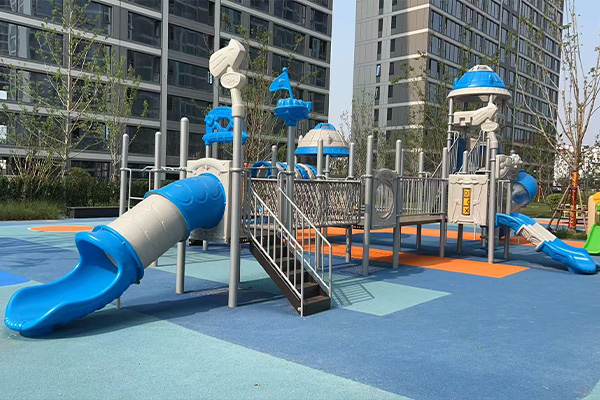
Common elements found in gymnastics-style playground areas include:
● Climbing frames and rope nets
They allow children to climb vertically or sideways. Kids develop grip strength and spatial awareness while moving through the structure.
● Monkey bars and hanging ladders
These features train arm strength and endurance. Children swing across bars while supporting their body weight.
● Balance beams and stepping pods
They help improve stability and concentration. Kids learn how to control movement and maintain balance.
Modern playground manufacturers such as Monleplay often combine these elements into integrated playground systems. The layout encourages continuous movement and active play across the entire playground.
When playgrounds include Gymnastics Outdoor Equipment, they create an environment that encourages active movement. Children naturally climb, hang, and balance while playing. These activities strengthen muscles and improve coordination without structured training.
Several important benefits appear when these equipment types are used in outdoor playgrounds:
● Builds physical strength
Children use their arms, legs, and core muscles while climbing or hanging. These movements gradually improve muscle development.
● Improves balance and coordination
Balance beams and stepping platforms require careful movement. Kids learn how to control their body position.
● Encourages longer outdoor play
Dynamic equipment keeps children interested. They explore new movement paths each time they visit the playground.
The relationship between equipment type and physical development can be seen below.
Gymnastics Outdoor Equipment |
Skill Development |
Example Activity |
Monkey Bars |
Upper body strength |
Swinging from bar to bar |
Rope Climbing Nets |
Grip and coordination |
Climbing upward or across |
Balance Beams |
Stability and focus |
Walking along narrow paths |
Hanging Rings |
Arm endurance |
Hanging or swinging |
Climbing elements are a core part of Gymnastics Outdoor Equipment. Children naturally enjoy moving upward, sideways, and across structures. These movements strengthen muscles while improving coordination and spatial awareness. When kids climb rope nets or ladders, they must plan each step carefully. Their hands grip firmly. Their feet search for the next support point.
Several climbing elements appear frequently in modern playgrounds:
● Rope climbing nets
Kids climb upward or sideways through the net structure. They build grip strength and balance control. Movement becomes a mix of strength and coordination.
●Climbing walls or angled ladders
These structures encourage problem solving. Children choose their next handhold and step carefully. It improves both physical strength and decision making.
● Rope bridges between platforms
The surface moves slightly under their feet. Children adjust posture while crossing. This helps develop stability and body control.
Many playground manufacturers such as Monleplay integrate these climbing elements into larger playground systems. It creates a continuous play route where children naturally move between activities.
Monkey bars remain one of the most recognizable forms of Gymnastics Outdoor Equipment. Children swing from bar to bar while supporting their body weight. The movement activates arms, shoulders, and core muscles at the same time. It also encourages children to keep trying until they cross the full ladder.
These structures support several development goals:
● Upper body strength
Hanging and swinging strengthens arms and shoulders. Children learn to control their body weight.
● Movement coordination
Kids must time their swing before reaching the next bar. It trains rhythm and body awareness.
● Confidence through challenge
Some children start by hanging briefly. Later they try crossing the full ladder. Each step builds confidence.
Outdoor playground systems designed by Monleplay often include monkey bars within larger climbing frames. This layout allows children to move smoothly from climbing to swinging activities.
Balance-based equipment trains children to control posture and movement. It focuses more on stability than strength. When children walk across narrow beams or stepping pods, they must move slowly and carefully.
Typical agility elements used in Gymnastics Outdoor Equipment areas include:
● Balance beams
Children walk along narrow surfaces. They learn to control body position while maintaining balance.
● Stepping pods or balance posts
Kids step or jump between platforms. Each movement requires timing and stability.
● Obstacle stepping paths
Several elements connect in sequence. Children move through them like a small obstacle route.
These elements add variety to playground movement. They encourage careful movement rather than fast climbing.
Many modern playgrounds use combination Gymnastics Outdoor Equipment systems. These structures combine climbing, swinging, and balancing elements into one integrated playground layout. Children move through the structure like a small obstacle course.
Typical integrated systems include climbing nets, monkey bars, stepping paths, and connecting platforms. The layout encourages continuous movement across the playground. Kids explore different routes and activities during the same play session.
Gymnastics Outdoor Equipment Type |
Primary Skill Developed |
Example Activity |
Rope Climbing Nets |
Grip strength and coordination |
Climbing upward through net frames |
Monkey Bars |
Upper-body strength |
Swinging across horizontal ladders |
Balance Beams |
Stability and body control |
Walking across narrow beams |
Stepping Pods |
Agility and coordination |
Jumping between platforms |
Designing a safe playground begins with proper spacing between Gymnastics Outdoor Equipment. Children move quickly between climbing, swinging, and balancing structures. If equipment sits too close together, collisions may happen. Adequate spacing creates clear movement paths and reduces the risk of accidental contact during play.
When planning the layout, playground designers usually focus on the fall zone around each structure. This zone is the area where a child may land if they slip or jump down. The space must remain open and free from obstacles. Designers often measure the height of equipment and extend the safety zone around it accordingly.
Important layout considerations include:
● Clear movement pathways
Children should move easily between climbing frames, balance beams, and monkey bars. When paths stay open, kids avoid sudden stops or collisions while running or swinging.
● Safe distance between equipment
Each piece of Gymnastics Outdoor Equipment requires enough surrounding space. It allows safe climbing and jumping without interference from nearby structures.
● Visible play areas
Parents and supervisors need clear sightlines. Open layouts allow adults to monitor children across the entire playground.
Manufacturers such as Monleplay often design playground systems with integrated spacing and movement flow. Their layouts consider equipment height, play zones, and activity transitions before installation begins.
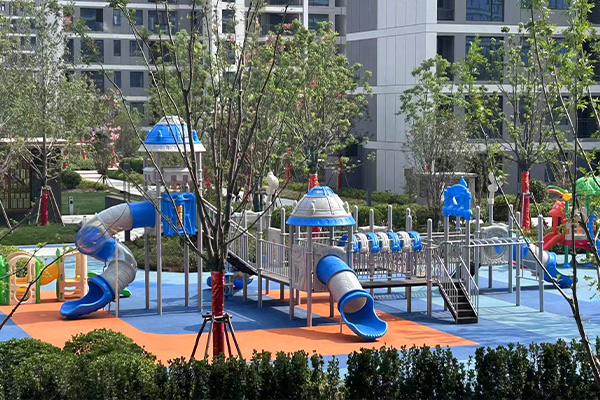
Ground surfaces play a major role in playground safety. Children run, climb, and occasionally fall. A hard surface increases injury risk. Soft materials absorb impact and reduce the force of a fall. Choosing the correct surfacing helps create a safer environment around Gymnastics Outdoor Equipment.
Several surfacing materials are commonly used in playgrounds. Each option offers different levels of cushioning, maintenance requirements, and durability.
Playground Surfacing Material |
Key Advantage |
Typical Playground Use |
Rubber Flooring |
High shock absorption |
Areas under climbing equipment |
Engineered Wood Fiber |
Cost-effective cushioning |
Outdoor playground zones |
Synthetic Turf |
Durable and visually clean |
Multi-activity playground areas |
Rubber Mulch |
Flexible loose-fill surface |
Around swings and climbing areas |
Besides layout and surfacing, the structure of the equipment itself must support safe play. Good Gymnastics Outdoor Equipment design reduces hazards while keeping the activity challenging and fun. Small design details often make the biggest difference in injury prevention.
Key structural safety features often include:
● Rounded corners and smooth edges
Sharp edges increase the risk of cuts or bruises. Smooth, rounded surfaces allow children to move freely around the equipment.
● Anti-slip platforms and steps
Children climb with different footwear or sometimes wet shoes. Anti-slip surfaces help them maintain grip while stepping or climbing.
● Stable support frames
Strong steel frames or reinforced structures keep equipment steady during active play. Stability is especially important for climbing structures or monkey bars.
● Comfortable hand grips
Bars and handles should allow children to hold firmly. A secure grip improves control while swinging or climbing.
Safety standards guide how playground equipment should be designed and installed. These guidelines help reduce injury risks and ensure playgrounds remain safe for children of different ages. When planners install Gymnastics Outdoor Equipment, they often follow international safety recommendations related to structure, materials, and fall protection.
Common safety considerations include:
● Equipment testing and certification
Manufacturers test playground structures to verify strength, durability, and stability under repeated use.
● Impact protection requirements
Safety standards often recommend specific ground materials or cushioning depths beneath climbing or swinging equipment.
● Accessible playground design
Inclusive play environments allow children of different abilities to access certain play areas safely.
● Routine inspection and maintenance
Playground equipment should be checked regularly. Loose bolts, worn surfaces, or damaged parts should be repaired quickly.
Reliable playground manufacturers, including Monleplay, typically design their equipment according to recognized quality and safety systems. Their production processes often follow international manufacturing standards and testing procedures to ensure equipment performs safely in public playground environments.
Designing a playground requires more than placing equipment randomly. A well-planned layout helps children move smoothly between activities. When Gymnastics Outdoor Equipment is combined with traditional playground elements, the space becomes more engaging and physically beneficial. Children climb, swing, balance, and run in one continuous play route.
A balanced playground layout often blends several activity zones together:
● Movement zone
This area contains climbing nets, monkey bars, or obstacle paths. Children test strength and coordination while moving across the equipment. They learn balance while exploring different routes.
● Play and rest transition zone
Slides, tunnels, or low platforms allow kids to slow down after active climbing. These elements create natural breaks between physically demanding activities.
● Swing and motion zone
Swings and rotating elements provide dynamic movement. They add variety and help distribute children across different sections of the playground.
In many modern playground designs, companies such as Monleplay integrate these elements into modular playground systems. Their layouts often connect climbing structures, swings, and balance paths through elevated platforms or bridges. This design encourages continuous movement while maintaining safe distances between equipment.
Outdoor playground equipment faces constant exposure to sunlight, rain, temperature changes, and heavy use. Durable materials help maintain structural stability and safety over many years. When planners choose materials for Gymnastics Outdoor Equipment, they focus on corrosion resistance, strength, and surface safety.
Several materials are commonly used in outdoor playground construction:
Material Type |
Key Advantage |
Typical Application |
Galvanized Steel |
Strong corrosion resistance |
Climbing frames and support structures |
UV-Resistant Plastic |
Color stability and smooth surface |
Slides and protective panels |
Powder-Coated Metal |
Weather protection and durability |
Bars, ladders, and connectors |
Reinforced Rope Materials |
High strength and flexibility |
Rope nets and climbing bridges |
A safe playground should serve children of different ages and abilities. Younger children need simpler equipment and lower climbing heights. Older children often prefer more challenging Gymnastics Outdoor Equipment elements. Dividing the playground into activity zones allows designers to meet these different needs.
Typical playground zones may include:
● Toddler play area
Low platforms, small slides, and simple climbing panels allow younger children to explore safely. Equipment heights remain limited to reduce fall risks.
● Active movement zone for school-age children
Rope nets, monkey bars, and balance obstacles create more challenging activities. These structures encourage strength development and coordination.
● Shared interactive play area
Swings, stepping paths, or interactive panels allow children of different ages to play together. It encourages social interaction and cooperative play.
Gymnastics Outdoor Equipment improves strength, balance, and active outdoor play. Safe layouts, soft surfaces, and durable materials reduce injury risks. Monleplay provides well-designed playground equipment and integrated solutions that help communities build safer, engaging outdoor playground environments for children.
A: Gymnastics Outdoor Equipment includes climbing nets, bars, and balance elements for active playground movement.
A: It builds strength, coordination, and confidence while encouraging outdoor play.
A: Use safe spacing, soft surfacing, and durable equipment materials.
A: Rubber flooring, engineered wood fiber, or turf reduce fall impact.
A: Yes. It supports fitness, coordination, and active playground learning.
