

Views: 0 Author: Site Editor Publish Time: 2025-10-16 Origin: Site

In the competitive landscape of playground manufacturing, understanding the distinctions between Original Equipment Manufacturer (OEM) and Original Design Manufacturer (ODM) is crucial for businesses looking to create unique and safe play environments. Both models offer distinct advantages and approaches to product development, impacting everything from design control to time-to-market. This article explores the key differences between OEM and ODM, highlighting their characteristics, benefits, and the best scenarios for each, empowering you to make informed decisions for your playground equipment needs.
OEM, or Original Equipment Manufacturer, refers to a production model where a company designs a product and contracts a manufacturer to produce it exactly according to their specifications. In playground manufacturing, this means the client provides detailed designs, technical drawings, and specific requirements for the equipment. The manufacturer then produces the playground equipment precisely as requested, maintaining the client's intellectual property rights and control over the product design.
Key characteristics of OEM include:
● Client-Driven Design: The client owns the design and provides exact specifications.
● Customization: High level of customization, including materials, colors, and features.
● Intellectual Property Ownership: The client retains full rights to the design and product.
● Manufacturing Expertise: The manufacturer uses their production capabilities to bring the design to life, ensuring quality and compliance.
Choosing OEM manufacturing for playground equipment offers several benefits:
● Full Control Over Product Design: You can create unique playground equipment tailored to your brand's vision and customer needs.
● Brand Exclusivity: Since designs are proprietary, your products stand out in the market with no direct replicas.
● High Customization: You decide on materials, colors, sizes, and safety features, ensuring the product fits your target market perfectly.
● Quality Assurance: Working closely with manufacturers allows you to enforce strict quality control standards aligned with international safety certifications like CE and ASTM.
● Scalability: OEM production can scale according to your business growth, supporting small to large volume orders.
Here are some practical examples of OEM in the playground industry:
● Custom Sensory Play Equipment: A company designs unique sensory panels and interactive play features and contracts a manufacturer to produce them exclusively.
● Branded Outdoor Play Structures: A retailer develops a new climbing frame design incorporating specific safety and aesthetic features, then partners with an OEM to produce it under their brand.
● Innovative Playground Accessories: An educational toy company invents a new balance stepping stone concept, providing detailed CAD drawings to an OEM for production.
These examples demonstrate how OEM allows companies to innovate and differentiate their playground offerings by leveraging manufacturing expertise without sacrificing design control.
When choosing OEM manufacturing, provide clear, detailed design specifications and maintain open communication with your manufacturer to ensure your playground equipment meets your exact vision and safety standards.
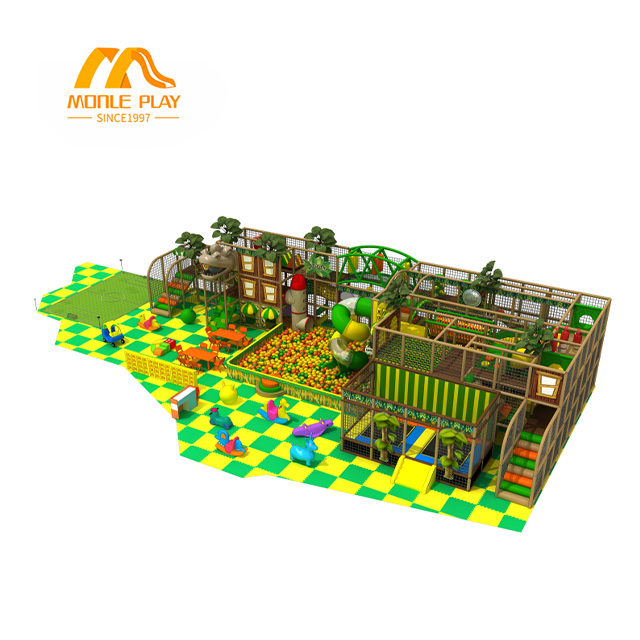
ODM, or Original Design Manufacturer, is a production model where the manufacturer takes the lead in designing the product. In playground manufacturing, this means the manufacturer creates new playground equipment designs based on market trends, client ideas, or their own innovation. Clients then purchase these products, often customizing branding elements like logos and colors.
Key characteristics of ODM include:
● Manufacturer-Led Design: The manufacturer owns the initial design and development process.
● Collaborative Development: Clients can provide input, but the design originates from the manufacturer.
● Faster Time-to-Market: Using existing or newly developed designs speeds up production.
● Shared Intellectual Property: Depending on agreements, clients may have limited rights to design ownership.
● Customization Options: Branding and minor design tweaks are typically allowed.
ODM offers several benefits for businesses in playground manufacturing:
● Innovation Support: Manufacturers bring expertise in design and engineering, creating unique, market-ready products.
● Reduced Development Costs: Clients avoid the high expenses of product design and prototyping.
● Quicker Launch: Using established or semi-custom designs accelerates time from concept to market.
● Lower Risk: Proven designs reduce the chance of product failure or costly redesigns.
● Brand Differentiation: Custom branding on exclusive designs helps build brand identity.
Here are practical examples of ODM in the playground industry:
● Interactive Play Panels: A manufacturer designs sensory panels with built-in features; clients add logos and select colors.
● Modular Climbing Structures: A company offers a modular play system designed by the manufacturer, allowing clients to customize layouts and branding.
● Themed Playgrounds: Manufacturers develop themed playground sets (e.g., jungle, space), which clients brand and market under their name.
These examples illustrate how ODM allows businesses to leverage manufacturer expertise to access innovative playground products without the burden of full design responsibility.
When opting for ODM manufacturing, clearly communicate your branding needs and desired customizations early to ensure the final playground equipment aligns with your market vision.
OEM and ODM differ mainly in who controls the product design. In OEM, you provide detailed designs and specifications. The manufacturer produces exactly what you specify. This means you keep full ownership of the design and intellectual property. You get a unique product tailored to your brand’s vision.
ODM means the manufacturer designs the product. You select from their existing designs or collaborate on new ones. The manufacturer owns the design but allows you to customize branding like logos and colors. ODM is faster because the design phase is shorter or already done.
Other important differences:
● Design Control: OEM gives you full control; ODM offers limited customization.
● Time to Market: ODM usually faster; OEM may take longer due to custom design.
● Cost: ODM often cheaper upfront; OEM may require higher investment in design.
● Intellectual Property: OEM protects your IP fully; ODM IP usually belongs to manufacturer.
● Uniqueness: OEM products are exclusive; ODM products might be sold to others with different branding.
Choosing depends on your business needs, resources, and goals:
● Design Capability: If you have strong design skills or a unique concept, OEM fits best.
● Speed: Need quick launch? ODM is ideal with ready or semi-custom designs.
● Budget: ODM may reduce upfront costs; OEM can be costlier but offers exclusivity.
● Brand Strategy: OEM supports building a unique brand with exclusive products.
● Risk Tolerance: ODM’s proven designs lower risk; OEM may involve trial and error.
● Intellectual Property: Protecting your designs favors OEM; ODM may limit IP rights.
OEM manufacturing lets you build a distinct brand identity. Your exclusive designs create strong market differentiation. You control quality, features, and innovation, which helps build customer loyalty. OEM also allows you to respond to customer feedback by evolving your designs.
ODM suits brands seeking faster market entry with less design effort. It supports brand growth by offering customizable products without heavy R&D. However, since designs may be shared, brand uniqueness relies mainly on marketing and minor tweaks.
Both models can support product development, but OEM offers more freedom to innovate and create flagship playground equipment. ODM provides a practical route to expand product lines quickly and cost-effectively.
Assess your brand’s long-term goals and design resources carefully before choosing OEM or ODM to ensure your playground products align with your market strategy and growth plans.
OEM manufacturing starts with your detailed product design. You provide technical drawings, material specs, and all features you want. The manufacturer reviews these to ensure feasibility and suggests improvements if needed. Once approved, they create prototypes for your evaluation. After you confirm the prototype, production tooling like molds or jigs is made. Then, the manufacturer produces the playground equipment exactly per your specs. Regular quality checks happen throughout production to maintain standards. Finally, the finished products are packaged and shipped to you.
Key steps include:
● Submit detailed design and specifications
● Prototype development and approval
● Tooling and mold creation
● Mass production under quality control
● Packaging and delivery
This process gives you full control over design and ensures your vision is realized precisely.
ODM manufacturing begins with the manufacturer’s design team. They create product concepts based on market research, trends, or your initial ideas. You collaborate by providing feedback and requesting adjustments. The manufacturer then produces prototypes for your approval. Once finalized, tooling is created, followed by mass production. You typically customize branding elements like logos and colors rather than the core design.
Main steps are:
● Manufacturer designs product concept
● Collaborative design review and adjustments
● Prototype creation and client approval
● Tooling and mold development
● Mass production with branding customization
● Packaging and shipping
ODM speeds up development by leveraging existing design expertise but offers less design control.
Quality control is vital to ensure playground equipment is safe, durable, and compliant with regulations. Both OEM and ODM manufacturers implement rigorous inspections throughout production.
Common quality control measures include:
● Raw material testing to verify strength and safety
● Dimensional checks during fabrication to maintain accuracy
● Surface finish inspections to prevent sharp edges or defects
● Load and stress testing of components for durability
● Compliance audits against standards like ASTM, CE, ISO 9001, and ISO 14001
● Final product inspections before packaging
Manufacturers also document every stage, providing traceability and certification. This ensures playgrounds meet international safety standards, protecting children and your brand reputation.
Maintain clear communication and frequent prototype reviews during both OEM and ODM processes to catch issues early and ensure the final playground equipment meets your quality and safety expectations.
In playground manufacturing, choosing the right materials is crucial for safety, durability, and aesthetics. Both OEM and ODM manufacturers typically use a mix of materials designed to withstand outdoor environments and heavy use.
● Galvanized Steel: This metal forms the backbone of many playground structures. It offers excellent strength and rust resistance, making it ideal for frames, supports, and climbing elements. Galvanization protects steel from corrosion, extending playground lifespan.
● Roto-Molded LLDPE Plastic: Linear Low-Density Polyethylene (LLDPE) plastics are popular for slides, panels, and other play components. Roto-molding creates seamless, impact-resistant parts with smooth surfaces that are safe for children. These plastics resist UV rays and harsh weather, maintaining color and integrity.
● Powder Coating: Applied to metal parts, powder coating adds a colorful, durable finish that resists chipping, scratching, and corrosion. It enhances visual appeal and protects metal from the elements.
● Non-Toxic Hardware: Manufacturers use stainless steel or coated fasteners to prevent rust and ensure secure assembly. These materials meet safety standards and avoid hazards like sharp edges or toxic substances.
Together, these materials provide playground equipment that is strong, safe, and visually appealing. They also help manufacturers meet international safety standards such as ASTM, CE, and ISO certifications.
Playground equipment must comply with strict safety and environmental regulations to protect children and the environment.
● Safety Compliance: Materials must meet standards for impact resistance, fire retardancy, and non-toxicity. For example, plastics should be free of harmful phthalates or heavy metals. Steel components need to pass strength and load tests.
● Environmental Regulations: Manufacturers increasingly use eco-friendly materials and processes. This includes using recyclable plastics, reducing volatile organic compounds (VOCs) in coatings, and sourcing sustainable raw materials.
● Certifications: Reputable OEM/ODM manufacturers maintain certifications like ISO 9001 for quality management and ISO 14001 for environmental management. These ensure consistent production quality and environmental responsibility.
Adhering to these standards not only ensures playground safety but also supports brand reputation and regulatory approval in different markets.
Sustainability is a growing priority in playground manufacturing. OEM and ODM producers are adopting innovative materials and methods to reduce environmental impact.
● Recycled Plastics: More manufacturers incorporate recycled LLDPE or HDPE plastics, lowering dependence on virgin materials and reducing landfill waste.
● Eco-Friendly Coatings: Water-based or powder coatings with low VOC emissions replace traditional paints, minimizing air pollution.
● Modular Designs: Equipment designed for easy repair or part replacement extends product life, reducing waste.
● Energy-Efficient Production: Factories use renewable energy sources and optimized manufacturing processes to lower carbon footprints.
● Biodegradable Components: Some companies experiment with biodegradable plastics or natural fiber composites for non-structural parts.
These trends reflect the industry’s commitment to sustainability while maintaining product safety and quality.
When selecting an OEM or ODM partner, ask about the materials they use and their compliance with safety and environmental standards to ensure your playground equipment is durable, safe, and eco-friendly.
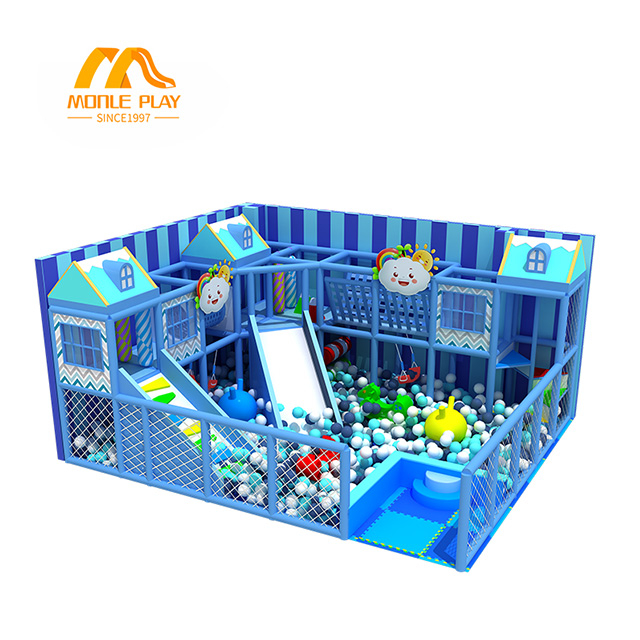
OEM and ODM models offer unique chances to innovate and customize playground equipment. OEM lets you bring your exact design ideas to life, creating truly unique products that fit your brand perfectly. You decide every detail—from colors and materials to safety features—ensuring your playground stands out. OEM suits businesses wanting full control and exclusivity.
ODM offers a different kind of innovation. Here, manufacturers lead design efforts, often based on market trends and proven concepts. You can customize branding elements and request tweaks, enabling faster product launches without heavy design work. ODM suits companies that want fresh, market-ready products but may lack design resources.
Both models support innovation but in different ways: OEM emphasizes originality and brand uniqueness; ODM focuses on speed and leveraging manufacturer expertise.
Cost and speed are key factors in choosing OEM or ODM. ODM usually costs less upfront because the manufacturer provides existing or semi-custom designs. This reduces R&D expenses and shortens development time, helping you get products to market faster.
OEM requires more investment in design and prototyping, which can increase initial costs and extend timelines. However, this investment pays off by delivering exclusive products that differentiate your brand and protect intellectual property.
Manufacturers often scale production efficiently for both models, but ODM’s ready designs generally mean quicker turnaround and lower risk.
Both OEM and ODM come with challenges:
● Communication Gaps: Misunderstandings about design specs or quality expectations can occur. Overcome this by providing detailed documentation, holding regular meetings, and reviewing prototypes early.
● Quality Consistency: Maintaining uniform quality across batches is crucial. Work with manufacturers that have strict quality control processes and certifications like ISO 9001.
● Supply Chain Delays: Material shortages or shipping issues can disrupt schedules. Mitigate risks by choosing reliable suppliers and planning orders well ahead.
● Customization Limits: ODM may restrict design changes, limiting uniqueness. Clarify customization scope early and negotiate flexibility.
● Intellectual Property Protection: Sharing designs with manufacturers risks IP leaks. Use contracts, NDAs, and choose trustworthy partners.
By proactively managing these challenges through clear communication, thorough planning, and selecting experienced manufacturers, you can ensure a smooth production process.
Establish clear communication channels and detailed design documentation early in your OEM or ODM project to avoid misunderstandings and ensure your playground equipment meets your exact vision and quality standards.
OEM and ODM models offer distinct advantages in playground manufacturing. OEM provides full design control and exclusivity, while ODM offers speed and cost efficiency. Selecting the right approach depends on your design capabilities, budget, and brand strategy. Future trends in playground manufacturing focus on sustainability and innovative materials. Zhejiang MonleToys Co., Ltd. excels in providing customized, high-quality playground equipment that meets international safety standards, ensuring unique and valuable products for your business.
A: OEM in playground manufacturing involves a company designing equipment and contracting a manufacturer to produce it according to specific specifications, ensuring control over design and intellectual property.
A: ODM benefits playground equipment production by allowing manufacturers to lead design, offering quicker market entry and reduced development costs, while clients can customize branding elements.
A: Choosing OEM for playground equipment offers full design control, exclusivity, high customization, and quality assurance, aligning products with your brand vision and customer needs.
A: Common materials in playground manufacturing include galvanized steel, roto-molded LLDPE plastic, powder coating, and non-toxic hardware, ensuring durability and safety compliance.


