
English

Views: 0 Author: Site Editor Publish Time: 2025-12-09 Origin: Site

If you’re on social media, you’ve seen it: people bouncing on indoor Trampolines in tiny living rooms. It looks fun, intense, and maybe a little too trendy to trust. So here’s the real question: are indoor trampolines actually worth it, or just future closet clutter? Many people worry about safety, space, and whether it “counts” as real exercise. In this article, you’ll learn how indoor trampolines affect your health, wallet, and daily routine. We’ll cover benefits, risks, costs, and who should actually buy one.
They provide joint-friendly cardio, full-body activation, and balance training in one compact tool.
They are safer and more space-efficient than outdoor trampolines for most adult users.
They offer strong mental health and stress-relief benefits, which improve workout consistency.
They are not ideal as a standalone solution for strength or high-performance sports training.
Their real value depends on usage frequency, quality of equipment, and proper safety habits.
This is the core question behind every purchase decision. If indoor Trampolines did not produce real physical and mental health results, price and safety would not even matter. People adopt rebounders because they promise efficiency, fun, and accessibility at once. To judge whether that promise holds up, we must examine how the workout affects the body in key performance areas.
Health value is not determined by just one factor like calories burned. It depends on joint stress, muscle engagement, balance training, heart response, and emotional response. Indoor trampolines influence all of these areas at once. That combination is what makes them different from treadmills, bikes, and many floor-based workouts.
Many adults stop running or jumping on hard floors because their knees, hips, or ankles begin to ache. Hard surfaces transmit strong impact forces directly into the joints with every step. Over time, that repeated impact can accelerate joint wear and increase the risk of injury. This is one of the most common barriers that prevents people from maintaining long-term cardio routines.
A mini trampoline changes how the body absorbs force. The elastic mat and springs or bungee cords reduce the shock of each landing. This allows users to raise their heart rate while exposing their joints to less repetitive stress than running, box jumps, or floor plyometrics.
Rebounding may appear simple, but it activates more muscle groups than many isolated gym machines. Every bounce requires the core to stabilize the torso. The glutes and hamstrings generate force for takeoff. The calves manage quick foot contact with the mat. The back and hip stabilizers work continuously to maintain posture.
Unlike seated cardio equipment, indoor Trampolines keep the entire body involved. This creates a coordinated effort between upper body, lower body, and trunk. Over time, users often report better posture, improved joint control, and increased daily movement confidence.
Bone health becomes a major concern as people age. Loss of bone mineral density increases the risk of fractures, falls, and long-term mobility decline. The most effective stimuli for bone maintenance are weight-bearing movements combined with moderate impact. However, too much impact can be destructive rather than protective.
Rebounding delivers controlled ground-reaction forces through the skeleton at every landing. These repeated signals encourage the bones to maintain structural strength. Research on trampoline-based exercise suggests potential benefits for bone density, particularly in the hips and spine.
Balance is not fixed; it is a skill that can be trained. When standing on a slightly unstable surface such as a trampoline mat, the nervous system must constantly adjust muscle tension to keep the body upright. These rapid micro-corrections strengthen balance-control pathways.
Studies on older adults show that structured mini trampoline programs can significantly improve balance, coordination, and the ability to recover from sudden loss of stability. This is directly linked to reduced fall risk, which is one of the biggest health threats to aging populations.
Indoor trampolines offer true cardiovascular training. When bouncing continuously, the heart rate rises into moderate or even vigorous exercise zones depending on intensity. Over time, this can strengthen the heart muscle, improve circulation, and enhance oxygen delivery throughout the body.
Users can easily structure rebounder workouts in intervals. Light bouncing supports fat metabolism and endurance. Faster sequences raise anaerobic capacity and improve overall conditioning. Some studies even suggest that calorie burn on a trampoline can be higher than jogging at a similar perceived effort.
The psychological response to trampoline exercise is one of its strongest advantages. Bouncing feels playful rather than punishing. This emotional tone reduces mental resistance to exercise and increases the likelihood of consistent participation. Many users describe it as “fun first, workout second.”
For many professionals, short rebound sessions during work breaks deliver quick emotional resets. Indoor Trampolines therefore function not only as fitness tools, but also as practical stress-management devices.
Not all Trampolines serve the same purpose. Indoor rebounders and outdoor family trampolines differ greatly in size, safety profile, use case, and return on investment. Buyers often confuse these categories, which leads to mismatched expectations.
Understanding their differences helps clarify which option delivers better value based on your goals. Space, user age, injury risk, and fitness focus must all be considered together. One type is not universally better; it depends on intended use.
Indoor trampolines typically range from 90 to 120 cm in diameter. Most models fit easily in living rooms, home gyms, offices, or studio corners. Many modern rebounders also fold for storage under beds or behind doors.
Outdoor Trampolines often exceed two meters in diameter and require open yard space plus overhead clearance. They are unsuitable for most apartment environments and cannot be moved easily once installed.
Outdoor trampolines generate higher bounce forces and are often used by multiple people at once. This increases collision risk and makes fall injuries more severe. Large-scale injury data shows many serious trampoline accidents occur on outdoor units and public jump parks.:contentReference[oaicite:7]{index=7}
Indoor trampolines are purpose-built for fitness. They use firmer mats for better energy return and often support structured classes. Outdoor trampolines focus primarily on recreation, tricks, and children’s play.
While outdoor trampolines can be used for exercise, they lack the same level of control, feedback, and stability. For users whose main goal is health and conditioning, indoor Trampolines provide a more efficient training environment.
| Trampoline Type | Typical Price Range* | Primary Value Use |
|---|---|---|
| Basic indoor rebounder | \$80–\$150 | Entry-level cardio |
| Premium fitness rebounder | \$150–\$400 | Daily fitness / studio |
| Mid-range outdoor trampoline | \$300–\$800 | Family recreation |
| Premium outdoor trampoline | \$800–\$2,000+ | Long-term yard setup |
Indoor trampolines usually offer stronger fitness value per dollar for individuals and small facilities. Outdoor trampolines deliver more recreational value for families with children and large outdoor space.
The real value of indoor Trampolines depends not only on purchase price, but also on durability, consistency of use, and potential cost replacement of other fitness services.
Many buyers focus too heavily on initial cost while ignoring long-term usage patterns. A cheaper unit that sits unused quickly becomes wasted money. A moderate-priced unit that supports years of regular training often becomes a high-return investment.
Indoor trampolines fall into three common categories. Budget models often use thinner frames and cheaper springs. Mid-range models improve on mat tension and structural stability. Premium models use bungee systems, thicker steel frames, and higher weight capacities.
Durability directly affects long-term value. Quality indoor Trampolines use corrosion-resistant steel, reinforced mats, and individually replaceable springs or bungees. These components determine whether the product lasts one year or ten.
Many people underestimate how quickly unused gym memberships accumulate cost. A \$40 monthly membership equals \$480 per year. A single \$200 indoor trampoline that keeps someone active at home can offset that cost in less than six months.
| Hidden Cost Type | Typical Example |
|---|---|
| Delivery fees | Heavy frames |
| Accessories | Handlebar, resistance bands |
| Floor protection | Rubber mats |
| Commercial insurance | Studio installations |
These costs rarely break budgets, but they should be included in planning. For B2B buyers, staff training and safety orientation add additional indirect investment.
Safety is the most common hesitation point among first-time buyers. While indoor trampolines are generally safer than outdoor models, they are still exercise devices that involve dynamic movement and balance.
Typical indoor trampoline injuries include ankle sprains, mild knee strain, and occasional loss of balance. Serious injuries are far less common than with outdoor trampolines or jump parks, where height and multiple users increase danger.:contentReference[oaicite:8]{index=8}
Most injuries result from poor technique, fatigue, or ignoring basic safety rules. Proper footwear or barefoot use, correct posture, and controlled movement reduce injury risk significantly.
| Safety Feature | Why It Matters |
|---|---|
| Wide, stable legs | Prevents tipping |
| Non-slip rubber feet | Improves floor grip |
| Thick padded mat | Reduces impact |
| Adjustable handlebar | Enhances balance and confidence |
| Clear weight rating | Prevents overload failure |
Buying a poorly constructed unit is one of the biggest risk factors for accidents. Structural quality matters more than brand name.
Indoor trampolines can serve all age groups under the right conditions. Children must always be supervised. Adults should respect weight limits and fatigue levels. Seniors should prioritize handlebars and start with very low amplitude movement. The key is matching intensity and control to the user’s physical condition. No age group should attempt risky tricks or aggressive jumps indoors.
People with severe balance disorders, uncontrolled heart conditions, advanced spinal issues, and certain pregnancy conditions should avoid trampoline exercise without medical clearance. Even healthy users should start gradually to assess tolerance. Health screening forms reduce liability and improve safety compliance in commercial environments.
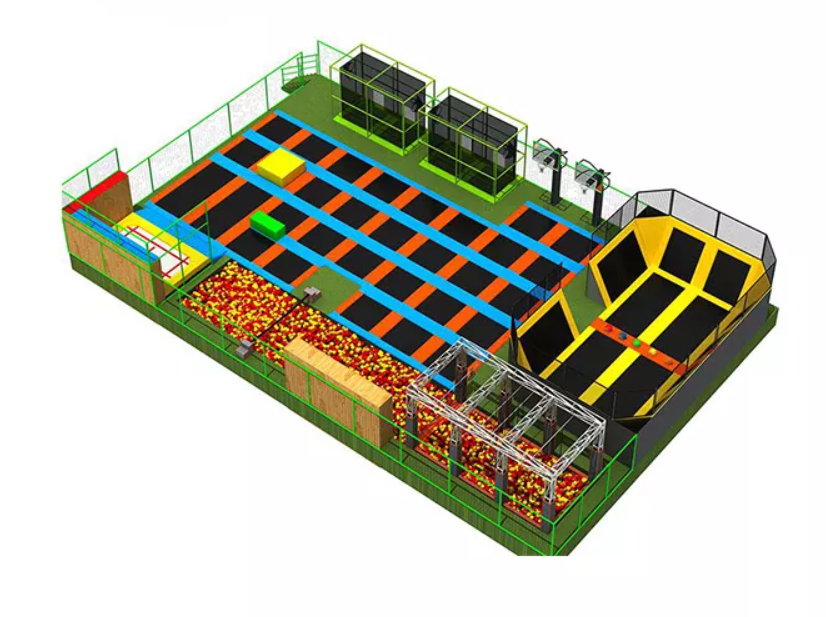
Indoor Trampolines excel for specific user profiles. Their value is highest when matched to users who need efficiency, safety, and consistency more than raw performance output.
Many professionals lack time for long gym sessions. Indoor trampolines support short, effective workouts. Even ten minutes of rebounding elevates heart rate, activates muscles, and resets mental focus.
Their convenience removes major psychological barriers to daily exercise. This increases long-term adherence more than complex gym programs.
Indoor trampolines help children burn excess energy during bad weather or limited outdoor access. They support coordination, movement confidence, and physical activity without screen dependency. However, safety rules must be strict. One child at a time and adult supervision are mandatory.
For seniors, rebounding offers gentle cardio, balance training, and emotional enjoyment. The low-impact environment reduces fear of injury while still promoting movement confidence. Handlebars shift these benefits from “possible” to “practical” for many older users.
Some rehab programs incorporate mini trampolines for proprioception training, gait retraining, and confidence rebuilding. Controlled bouncing strengthens stabilizing muscles without excessive joint load. Rehab and wellness clinics can market rebounder sessions as gentle return-to-movement solutions.
No training tool is perfect. Indoor Trampolines also have limitations that buyers must understand to avoid disappointment.
Trampoline exercise improves coordination and endurance but provides limited resistance. Significant muscle hypertrophy requires external resistance such as weights or machines.
Rebounders work best as cardio and balance tools within a broader fitness program.
Even compact models require clear floor area and sufficient ceiling height. Very small apartments may struggle to accommodate safe bouncing space.
Folding designs help but do not eliminate all spatial constraints.
While many users love rebounding, others lose interest after novelty fades. Structured programs, music, and accountability improve adherence. Without them, any equipment risks becoming unused.
Elite athletes require high-force production, sprint speed, and sport-specific drills. Indoor trampolines support recovery and coordination but cannot replace full performance training systems.
Note: For high-performance facilities, trampolines function as supplementary tools rather than foundational equipment.
Choosing the right indoor Trampoline directly affects safety, satisfaction, and long-term use. Poor selection is the main reason buyers feel their purchase “wasn’t worth it.”
Buyers must ensure the frame can safely support their weight with margin. Lightweight frames wobble, feel unsafe, and reduce confidence. Stability drives usage frequency.
| System Type | Key Advantage |
|---|---|
| Metal springs | Lower cost, firm response |
| Bungee cords | Quieter, smoother, joint-friendly |
Bungee systems are often preferred for apartments and studios due to reduced noise.
Handles enhance safety for beginners and seniors. Advanced users may prefer handle-free designs for range of motion. Adjustable and removable handles offer the best flexibility.
Floor mats, rubber feet, and smooth bounce systems reduce structural noise. This matters greatly in shared living environments and commercial buildings.
Indoor Trampolines deliver joint-friendly cardio, full-body movement, balance training, and stress relief in one compact tool. They fit modern homes and small studios well, offering efficient daily activity without heavy equipment. They do have limits and need space, safety awareness, and steady use. Strength training still needs other tools, and some users should seek medical advice first.
For most families and light commercial users, indoor trampolines are worth it. MONLEPLAY supports this value with reliable products, strong safety design, and solutions that bring fun, fitness, and long-term wellness together.
A: Yes, indoor Trampolines offer joint-friendly cardio, balance training, and stress relief at a low long-term cost.
A: Use one person at a time, keep movements controlled, and choose Trampolines with stable frames and handles.
A: Trampolines feel more fun, reduce joint impact, and support full-body movement in smaller spaces.
A: Yes, Trampolines burn calories efficiently and help build consistent cardio habits.
A: Poor-quality Trampolines may be noisy, unstable, or wear out faster without proper maintenance.


